Mein Shop
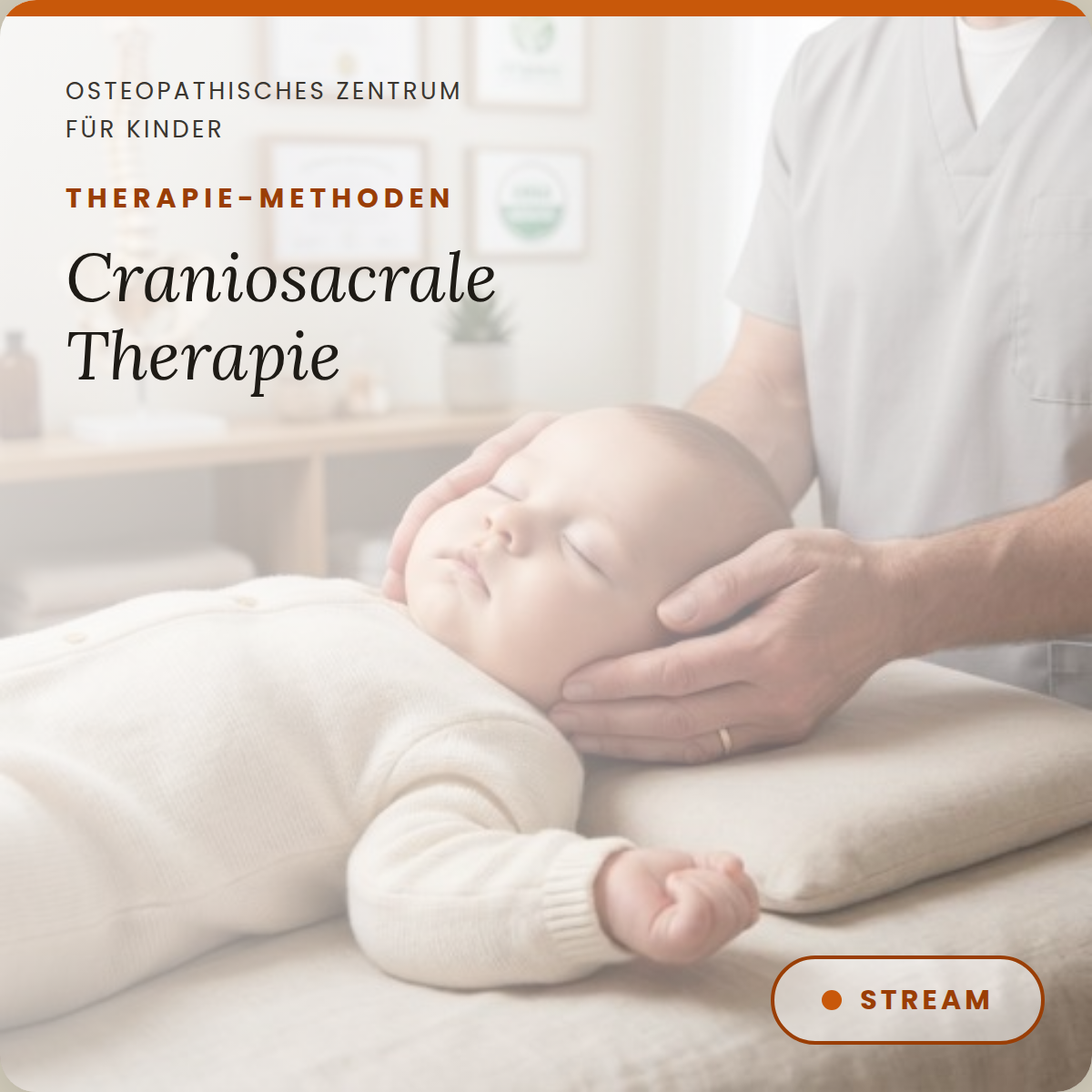
Craniosacral Therapy (CST)
Craniosacral Therapy (CST)
Couldn't load pickup availability
Craniosacral Therapy (CST)
The craniosacral treatment method was developed by William Garner Sutherland from osteopathic medicine.
"Cranium" means skull and "Sacrum" means sacrum.
For diseases and symptoms that are influenced by the central nervous system, craniosacral therapy can often lead to a sustained improvement in symptoms.
Craniosacral Therapy (CST) results in a general strengthening of organ functions, balancing of tissue tensions, and improved mobility of diseased tissue structures.
In addition, blood circulation and lymphatic flow are promoted, breathing is deepened, and circulation is harmonized.
Content
Craniosacral Therapy 1.1 V-CST1.1
Craniosacral Therapy 1.2 V-CST1.2
• Introduction to the historical development of craniosacral osteopathy
• Introduction to osteopathic treatment principles
• System, anatomical structure, function, and rhythm
• Evaluation of the craniosacral pulse
• Initiating "Stillpoints" to stimulate CSF flow
• Diagnosis and therapy of the dural tube
• Relaxation techniques for fascia and connective tissue
• Introduction to temporomandibular joint treatment
• Connection between craniosacral rhythm and breathing
• 10-step treatment protocol according to Upledger
Content
Craniosacral Therapy 3.1 V-CST3.1
Craniosacral Therapy 3.2 V-CST3.2
Content:
• Local unwinding of large and small bone joints
• Unwinding of muscles, fascia, and organs
• Unwinding of structures of the craniosacral system
• Lymphatic and venous drainage techniques
• CSF fluctuation techniques
• Multiple hands treatment techniques
Content:
Craniosacral Therapy 4.1 V-CST4.1
• Development of SomatoEmotional Release (SER) according to Upledger as part of osteopathy
• Localization and treatment of "energy cysts"
• Whole-body diagnosis
• Whole-body unwinding
• Dialogue techniques
• Introduction to trance induction techniques
Share