Mein Shop
Visceral Therapy 1 – 6
Visceral Therapy 1 – 6
Couldn't load pickup availability
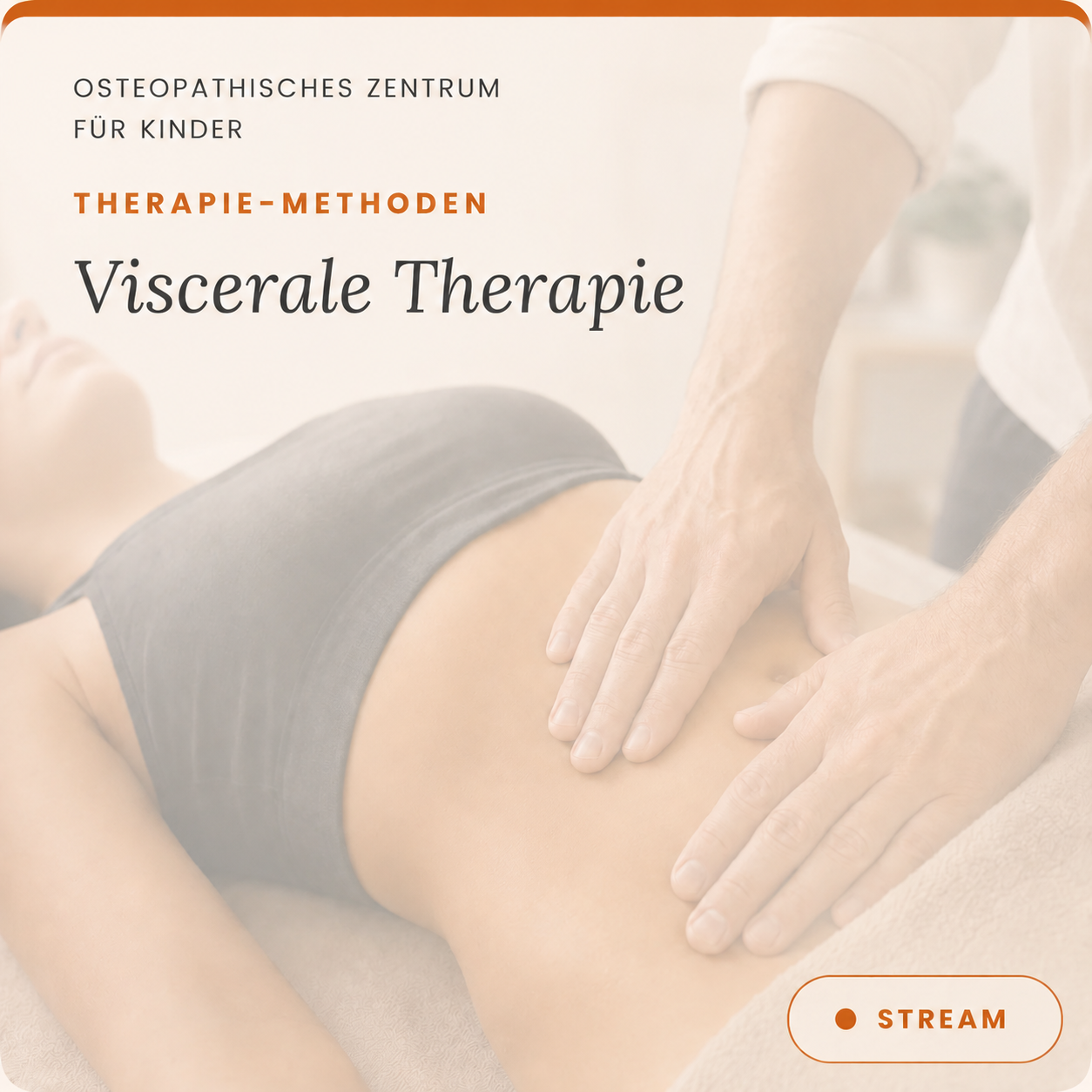
Visceral Therapy (VIT)
is an osteopathic treatment method
that allows the internal organs to be treated directly, gently, and often with quick success. Mobility (movement of the organs in relation to breathing), motility (inherent movement of the organ parenchyma in relation to embryonic development), and tone are influenced to restore the normal functions of the organs.
Mobility is stimulated with direct techniques, e.g., the ligamentous attachments of an organ are mobilized. This can resolve congestions and improve function.
The movements of mobility and motility, just like the craniosacral rhythm, are palpated and treated by a trained therapist with their hands.
Visceral Therapy 1.1 V-VIT1.1
Content:
• Theoretical foundations of Visceral Therapy
• Understanding the organs in Visceral Therapy
• Pressure conditions of the organs and visceral stability
• Anatomy of the liver, gallbladder, stomach, and duodenum
• Anatomy of the small and large intestines, lesser and greater omentum
• The peritoneum and its influence on other organs
• Special treatment of the organs of the upper abdomen
Visceral Therapy 2 V-VIT2
Content:
• Understanding the urogenital system
• Anatomy of the kidneys, bladder, pancreas, and spleen
• Influences of the urogenital organs on other organs
• Special treatment of the lower abdominal organs
• Indications and contraindications
• Effects of treatment on other organ systems
• Deepening of osteopathic treatment principles
Visceral Therapy 3.1 V-VIT3.1
Visceral Therapy 3.2 V-VIT3.2
Content:
• Anatomy of the chest and thoracic organs
• Functional anatomy of the thorax
• Preparatory techniques for the thorax
• Specific treatment of the upper and lower thoracic apparatus
• Specific treatment of the heart and lungs, thymus and bronchi
• Specific treatment of the pleura and pericardium
• Indications and contraindications
• Effects and connections to the craniosacral system
Visceral Therapy 4 V-VIT4
Content:
• Integration of the content from V-VIT1.1 to V-VIT3.2
• Introduction to thermo-diagnosis
• Age determination of dysfunctions
• Connection and mutual influence of the organs with the nervous system
• Techniques for restoring visceral-cerebral balance
• Relationships of the organs to the other body systems
• Introduction to energetic treatment principles in osteopathy.
Share